
Windows Built to Handle Northern Michigan's Seasonal Extremes
Window Installation in Onaway for homes facing freeze-thaw cycles and temperature swings from freezing winters to humid summers
Black Mountain Caretaking LLC installs thermal-rated windows designed specifically for the extreme temperature variations common in Onaway, Alanson, Harbor Springs, and surrounding areas where winter lows and summer humidity cycles stress improperly sealed units. The company selects high-performance glass and frame systems that maintain air-barrier integrity through repeated freeze-thaw events. Homeowners notice drafts eliminated, condensation patterns resolved, and heating bills reduced after installation addresses the thermal vulnerabilities typical in Northern Michigan housing stock.
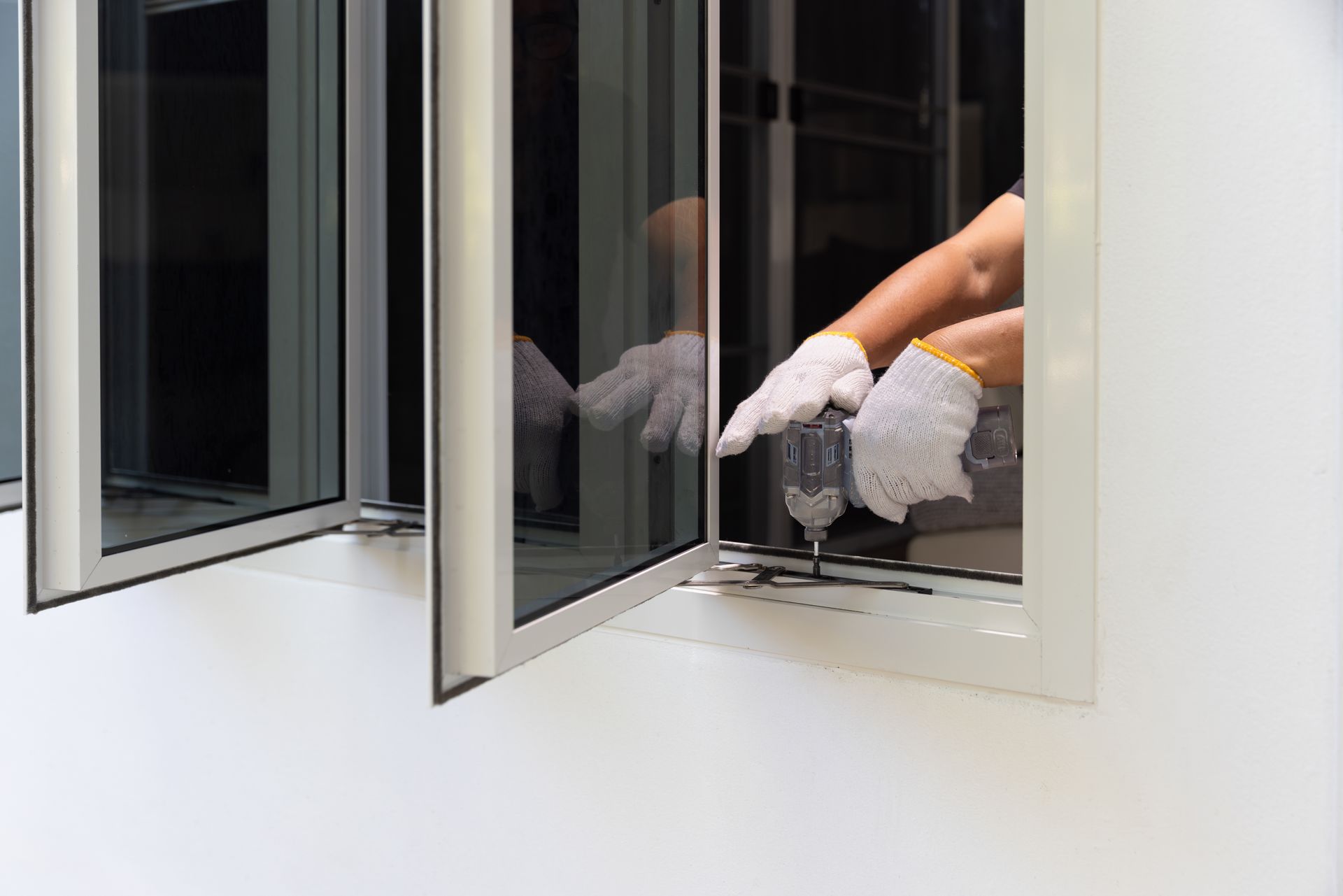
Window installation involves removing existing units, integrating flashing with exterior weather barriers, sealing frames to prevent air infiltration, and coordinating the new thermal-rated glass with insulation layers already present in wall cavities. Northern Michigan's seasonal temperature extremes make proper flashing and air-barrier integration critical—shortcuts during installation lead to ice damming, interior moisture problems, and heat loss that compounds over successive winter cycles.
Schedule a property evaluation to assess current window performance and thermal vulnerabilities specific to your home's exposure.
How Thermal-Rated Installation Addresses Temperature Cycling
Thermal-rated unit selection accounts for the glass performance requirements and frame expansion rates that matter when outdoor temperatures swing between seasons. Flashing installation directs meltwater away from the rough opening, and air-barrier integration ties the window assembly into the home's existing insulation envelope so cold air cannot bypass the thermal layer through gaps around the frame.
After installation, you notice consistent indoor temperatures near window areas, elimination of frost patterns on interior trim, and reduced furnace cycling during cold snaps. Condensation that previously formed on single-pane or poorly sealed units no longer appears because the thermal break in the new frame prevents interior glass surfaces from dropping below dew point.
The work includes removing interior and exterior trim, protecting flooring and furnishings during the swap, and coordinating the new unit dimensions with existing rough openings—oversized openings require frame shimming and additional insulation fill before trim reinstallation. Installation timing matters less than ensuring flashing layers cure properly before exposure to freeze cycles.
Questions Homeowners Ask Before Window Projects
Window replacement projects in Onaway and neighboring communities raise specific concerns about performance standards, timing, and what changes after the work is finished.
What makes a window suitable for Northern Michigan winters?
Thermal-rated glass with low U-factors and frames designed to maintain seals through repeated freeze-thaw cycles prevent the heat loss and condensation common with standard residential units. Black Mountain Caretaking selects units rated for the temperature extremes documented along the KV Avenue and Indian River corridors, where winter lows consistently challenge improperly specified glass.
How is flashing integrated during installation?
Flashing layers are installed to overlap the existing weather-resistant barrier on the exterior sheathing, directing meltwater and rain away from the rough opening before interior insulation and trim are reinstalled. This step prevents the moisture intrusion that leads to rot in wall cavities during spring thaw cycles.
When should I replace windows showing condensation?
Condensation between panes indicates seal failure—the insulating gas has escaped and the thermal performance is compromised. Condensation on interior surfaces suggests either inadequate glass performance or air leakage around the frame, both of which increase heating costs and stress HVAC systems during extended cold periods.
What happens to trim and siding during replacement?
Exterior trim is removed to access the nailing flange and install flashing, then reinstalled after the unit is secured and sealed. Interior trim is typically replaced with new material after insulation gaps around the frame are filled, ensuring a finished appearance that matches existing woodwork profiles.
How much does window performance affect heating costs?
Replacing single-pane or failed double-pane units with thermal-rated glass reduces heat loss through the window area by 40–60 percent, which translates to measurable furnace runtime reduction during the November through March heating season common in Onaway.
Black Mountain Caretaking LLC coordinates window installations with realistic timelines and attention to the flashing and air-sealing steps that determine long-term performance. Request a detailed estimate based on your current window condition and exposure to seasonal temperature stress.